
Frame the question
Start with a biological question and define what the available evidence can and cannot tell us.
REINFORCEMENT LEARNING FOR COMPUTATIONAL BIOLOGY
We’re studying whether reinforcement learning can use feedback to navigate large biological search spaces and prioritize better-supported candidates for further evaluation.
Our first research focus: peptide–MHC binding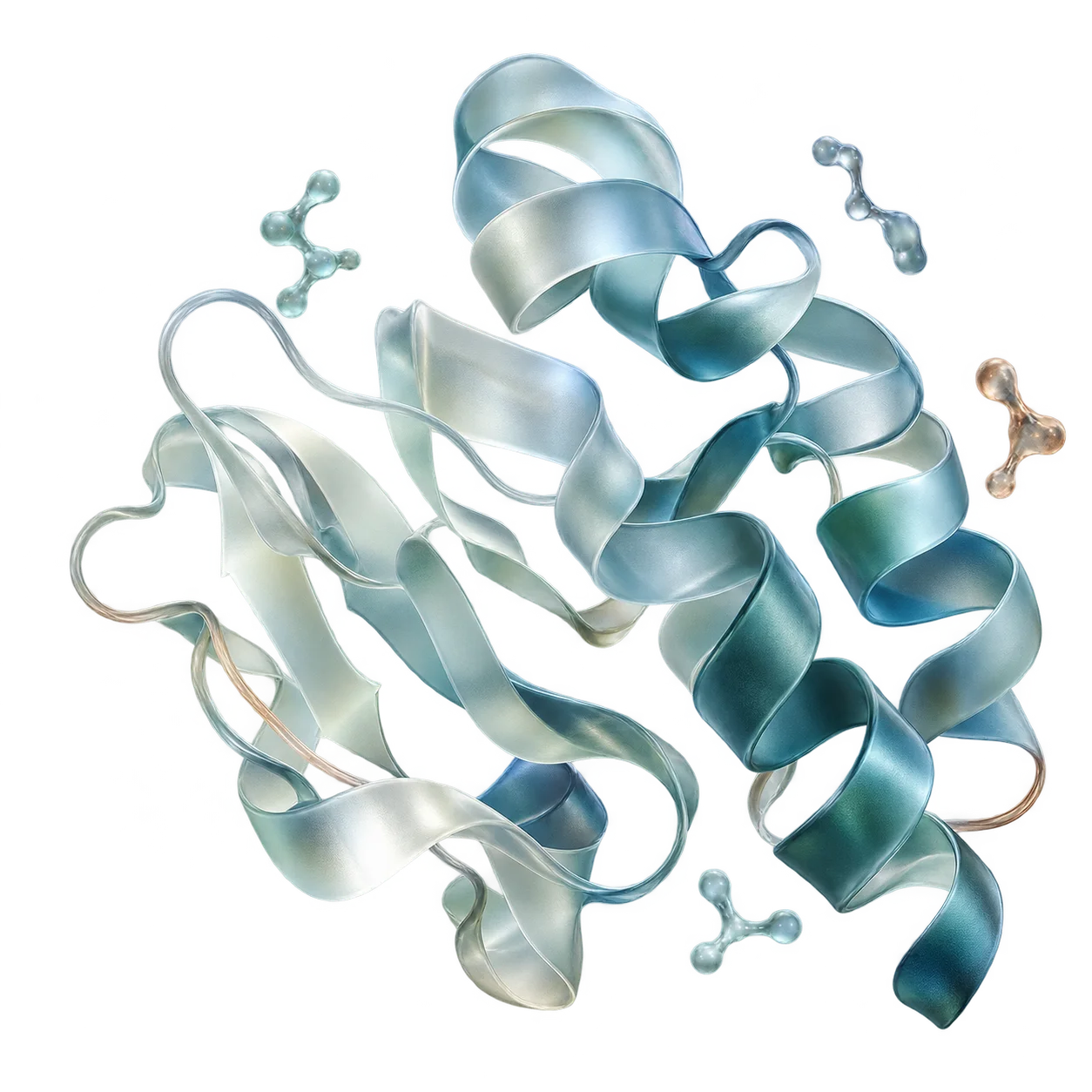
THE IDEA
Biological design spaces hold more possibilities than can be measured directly. We want to explore them broadly in computation, learn from feedback, and make better-informed choices about what to evaluate next.
OUR RESEARCH LENS
We study how adaptive methods can connect a biological question, computational feedback, and careful evaluation.
Start with a biological question and define what the available evidence can and cannot tell us.
Search large candidate spaces in computation and update priorities as new feedback arrives.
Compare adaptive search with simpler methods while keeping predictions distinct from biological results.
BUILT ON CURIOSITY, GROUNDED IN EVIDENCE
Computational ideas are a starting point for discovery. Careful comparisons, reproducible work, and honest limits are how we learn whether an approach is useful.
START A CONVERSATION
Interested in the intersection of reinforcement learning and biology? We’d like to hear from you.
Get in touch